
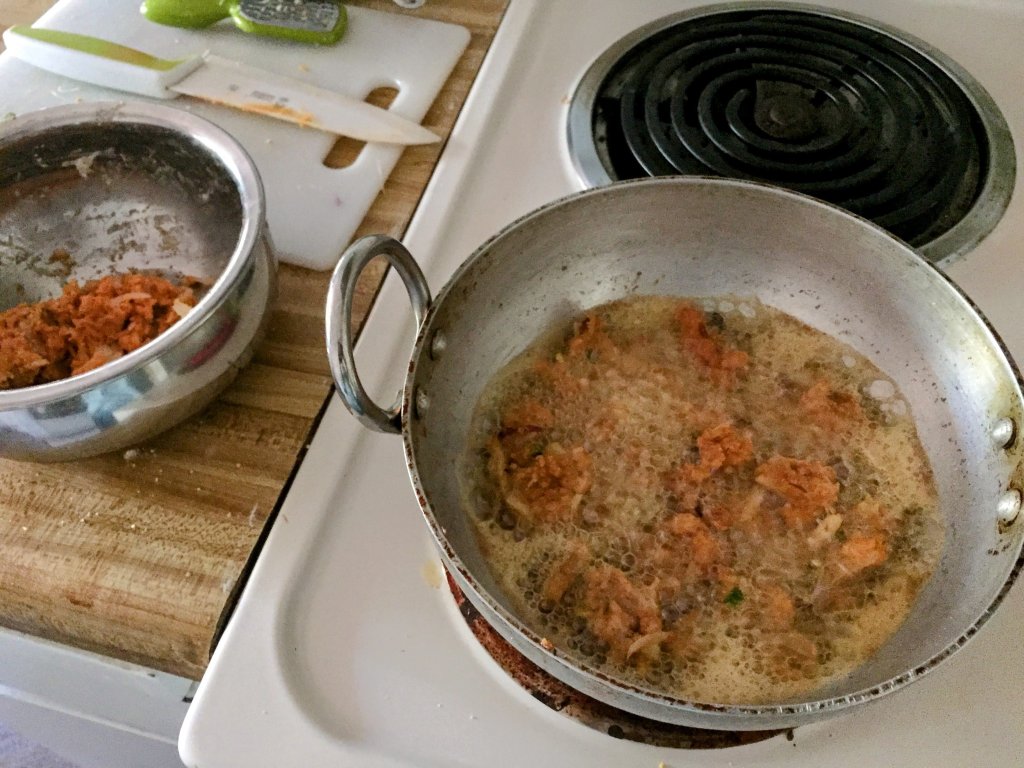
Onion pakoda is undoubtedly the most beloved evening snack to go with coffee or tea in south India. Spicy, crunchy, with an irresistible aroma of onion and slight whiff of garlic, it is also extremely simple to prepare with ingredients we always have at hand. Even in North India Pakora is popular chai snack made with slight variations. They don’t make distinction between bajji and pakora, afaik, calling all gram-flour fritters as pakora.
When people were not this health-conscious, that is until about 20 years ago, this and its twin brother bajji were made in every kitchen from humble to rich, as coffee-time snack at least twice a week. At our home about once a week as Nannagaru was concerned about our gut stamina, I guess. It was his favorite too.
Amma would prepare this a wee-bit soft, the pieces used to have a smooth contour than a jagged look. We used to love it that way only those days. After all the pakoda/ pakodi is made, she would divide them into equal portions for each of us. A (slightly larger?) portion for nannagaru, three exactly equal portions for the three of us and another portion for herself (which was again split with us three 😳😟) Cant remember if mammagaru ate food with onion. But after all the big pieces are accounted for, there will be some crumbs left which were my favorite. She would reserve it for me exclusively.
She used to have some such reckoning about each of us’ favorite items. Like she would almost always give me the coconut water from Saturday’s puja. Some other favorite of my sister’s for her and something else for my brother. Generally all items are equally distributed and these extras are bonus treats as per each one’s taste. My sister wouldn’t usually demand preferential treatment, giving up after a weak protest. It was always me fighting for it. But when we were enjoying our snacks (al..lways with a book or magazine) I used to be very slow in eating and she would finish them off much faster. Sometimes she would ask me for a little from my share and once in a while I used to give her 🤠
Ammamma also used to make it the same way, though she wouldnt consume onion as it was unorthodox. Our pinni in Bangalore used to make some portion with cabbage in place of onion. It used to look similar but wont taste as good. In Tamilnadu many add saunf in the preparation, which I hate. It dominates and completely steals the flavor away if you bite into it.
When I started preparing pakoda, I added my own fine-tunings gathered from here and there and prepared them very crisp (unlike Amma and ammamma’s very slight softness) and melt in the mouth style, also adding a hint of garlic. My in-laws side everyone values my cooking skills and this is one item that easily proves that I am worthy of it (how humble!! sorry😛)
My husband and I stayed with my sister-in-law at her house for several months after our getting married. I used to help her and MIL (who was also there then) with cooking, especially dinner and snacks. The children used to be fascinated with everything about their brand new atha. SIL also trusted my method after observing for sometime. I learnt their specific style of cooking and other customs (almost same as ammamma’s) and some tricks of the trade from her. This is the other reason (apart from my training under ammamma) my mother-in-law was approving of my operational style. Most mothers rank their daughters’ standard to be very high (simply because it is nothing but theirs!) and are proud of them. Since I apprenticed under her daughter, mine also became unquestionable 😊
Coming to our pakoda, I used to prepare them often at her house which was adored by everyone from her husband to the kids. He would particularly praise the crispness and melt-in-the mouth technique. My husband who is not much into snacks likes these. My son likes bajji more than pakoda. My favourite is pakoda.
In Andhra and TN, if it rains in the evening, people dream of crispy, spicy onion pakoda with hot coffee ☕️ Perfect cozy time!
Ingredients:
- Gram flour – 1 cup
- Rice flour – 1-2 tbsp
- Onion medium – 2, (sliced to thin slices 1.5 cups)
- Garlic – 3, 4 pods, roughly crushed
- Green chilly – 5, cut to thin pieces
- Chilly powder – 1 tbsp
- Curry leaves – a handful
- Salt
- Oil for deep frying
- Baking soda – a pinch (opt)
Method:
- Add salt to the sliced onions, mix and keep for 10 min till the moisture in the onion comes out.
- Take gram flour in a wide bowl and mix rice flour to it.
- Heat a pan with oil for deep frying.
- When oil has heated enough (you can see light vapours above oil), reduce the flame and take 1.5 tbsp of hot oil from it and pour it all over the flour.
- Rub the oil well into the flour with fingers till it is incorporated fully.
- Add all the other ingredients – onions, minced chilly, curry leaves, crushed garlic and chilly powder and mix well.
- Sprinkle water tsp by tsp and mix into moist, crumbly lump (should not be loose), don’t knead.
- Check if the oil is ready by dropping a bit to see if it sizzles and comes up immediately.
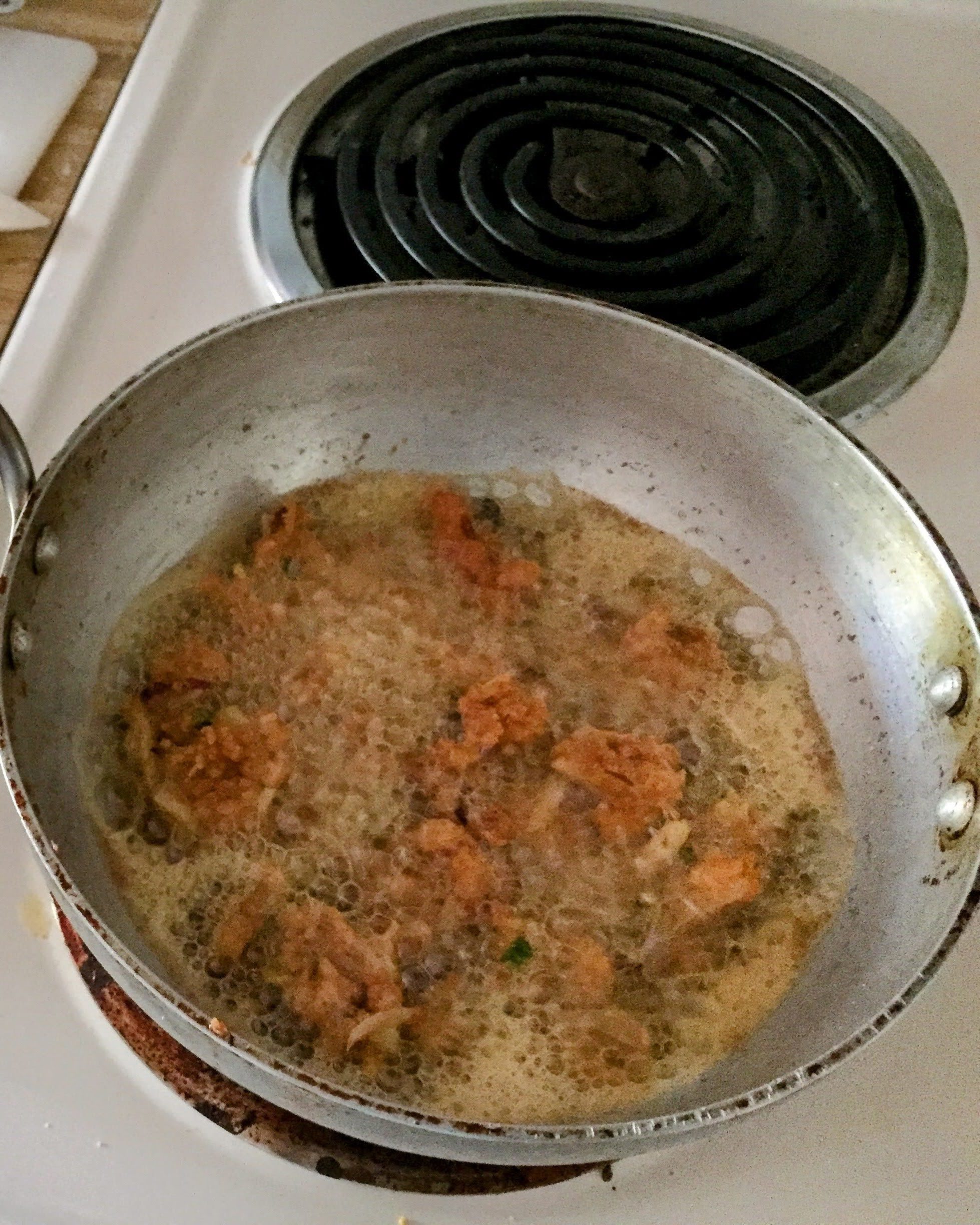
- Take a handful of this lump (not batter, not dough) and drop into hot oil by roughly crumbling it with fingers to fall as thin and well spread-out shapeless pieces.
- Fry the fritters slowly in medium heat, turning them over now and then.
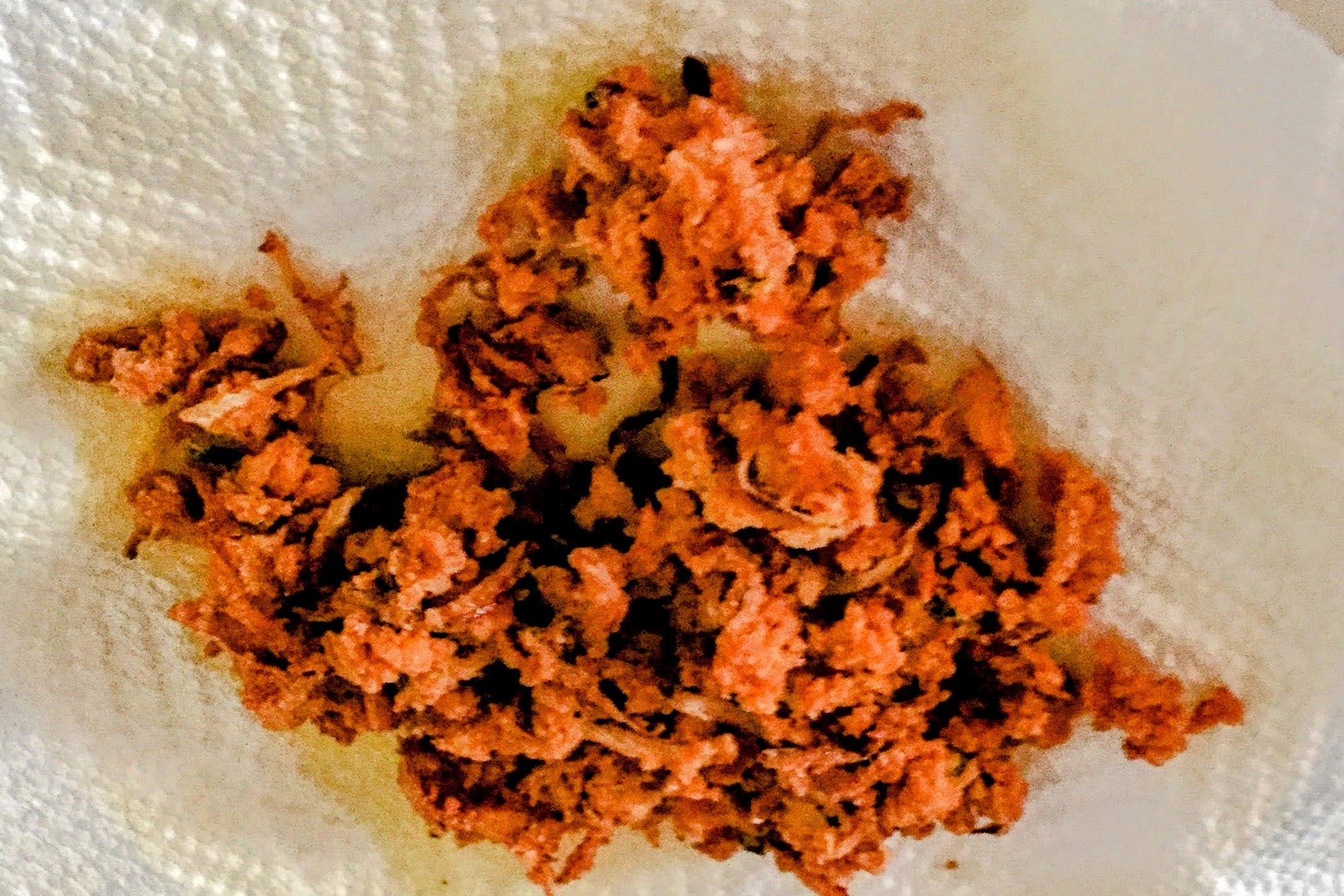
- Once the color turns golden and the oil bubbling sounds reduce, remove them draining excess oil and place on a kitchen tissue to absorb excess oil.
- Finish the entire mixture in batches.
Notes:
- Less flour and more onion (or whichever veggies are used) is important for crunchy result.
- Adding salt to onion first helps in reducing water needed to combine the ingredients which helps to give crunchiness again.
- Adding rice flour to gram flour helps with crispy, firm texture in pakoda.
- Adding hot oil to dry flour before adding water helps give the pakodas a crunchy crust while the inside is soft and tender (by preventing gluten and hence sogginess). Widely used tip for most crunchy snacks.
- Adding a pinch of soda is common, but not needed when hot oil is mixed in.
- Make sure oil is hot enough while frying the pakoda as it helps with crispness and right cooking of the inside stuff without burning the exterior and also not absorbing oil.
- “Fried foods always absorb a bit of oil. But if the oil is at the right temperature it seals the outside of the food by forming a near instant crusty barrier that prevents oil from getting inside. Also hot oil elevates the temperature so much the water present in food starts to steam pushing through tiny holes in the crust and that’s what you see as food is fizzing inside oil. As long as the fizzing goes on that means oil is not getting into your food. And as long as fried food is vigorously bubbling, it’s not going to be greasy. That’s why one of the ways experienced cooks know when fried food is done is when the bubbling changes pace.” – many Quorans ☺️
- There is more science here with adding hot-hot oil: when it hits the dry flour, it partially pre-cooks the starch, creating a more stable structure in the batter.
 A Spring in your Step